Lorem ipsum dolor si amet 01
This is just a placeholder headline. This is just placeholder text. Don’t be alarmed, this is just here to fill…



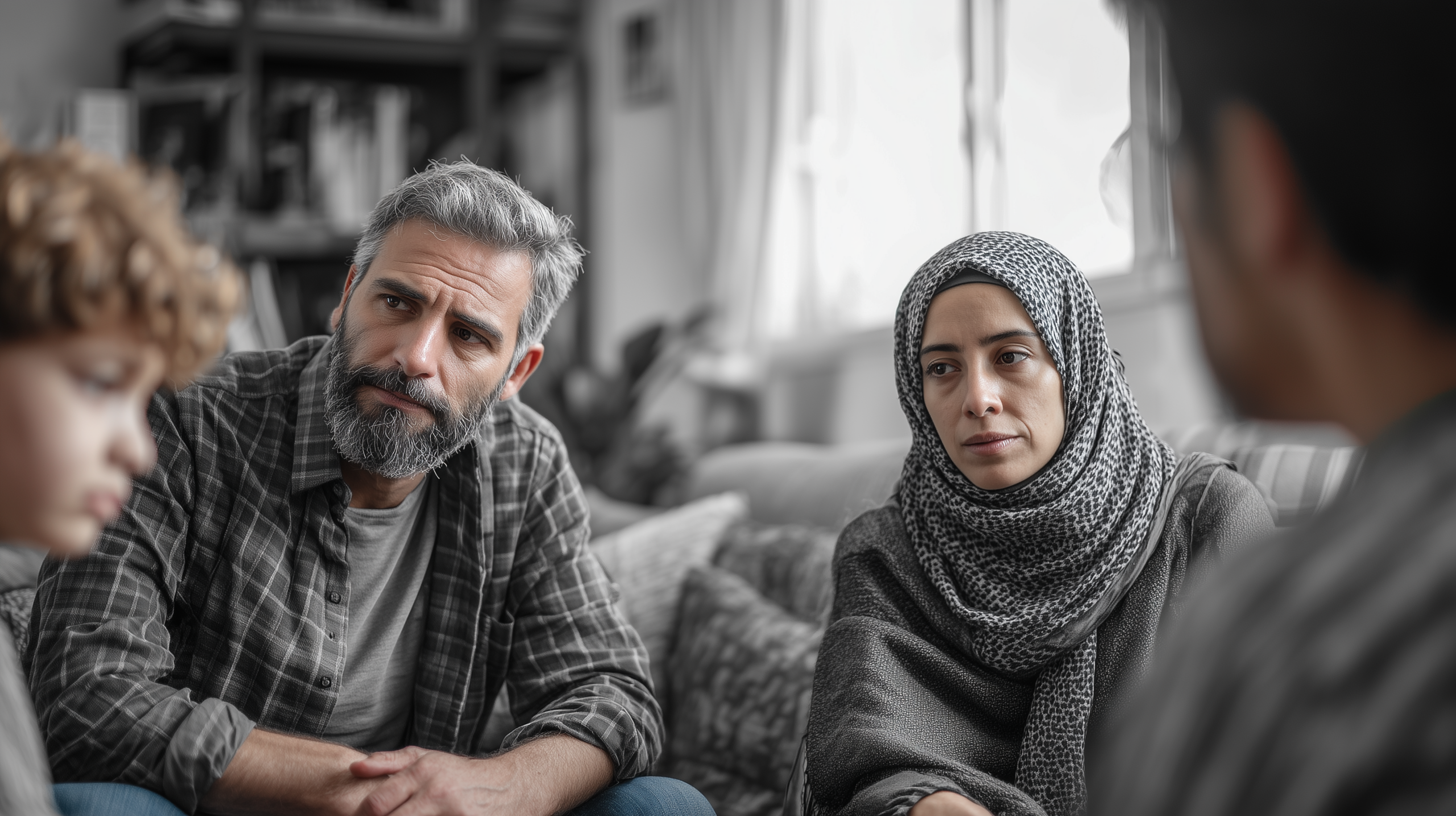




Early signs usually appear as gradual changes in behavior, mood, and daily life rather than one clear indicator. Key early signs include: Behavioral changes: social withdrawal, repeated lying, loss of interest in school/work, sudden change in peer group. Psychological/mood changes: severe mood swings, irritability, unexplained anxiety or depression, loss of motivation. Academic/professional changes: decline in performance, frequent absence or lateness, poor concentration. Physical changes: sleep disturbances, appetite changes, red eyes, constant fatigue. Daily life changes: frequent requests for money without clear reason, neglect of personal hygiene, breaking family rules. Important note: One sign alone does not necessarily indicate drug use, but multiple persistent signs require early attention, dialogue, and professional consultation.
First and foremost, continuous use of all narcotics and psychotropic substances leads to addiction. While some substances can cause addiction from the very first dose, others may take longer; this is governed by a variety of factors.
Addiction evolves through stages—moving from initial use to dependency and finally addiction—influenced by several psychological, social, and biological factors. Addiction does not occur in the same way for everyone.
Some individuals may not develop an addiction quickly, while others are more vulnerable even after a single or a few experiences. The risk increases when certain factors are present, such as:
In these cases, a person may feel an intense urge to repeat the experience after the first time, marking the beginning of the addiction path.
Most importantly, it is impossible to predict beforehand who will develop an addiction; therefore, any experimentation is a real risk.
Medications used in addiction treatment are not a substitute for narcotics; rather, they are intended to alleviate the severity of withdrawal symptoms resulting from the cessation of the substance.
It is important to clarify that medication alone is not sufficient; it is part of a comprehensive treatment program that includes psychological and social support, as well as medical follow-up. Medical science classifies addiction as a chronic brain disorder that affects behavior and decision-making, which is why it requires organized treatment under medical supervision.
The difference between substance use (experimentation) and addiction lies in the level of control, the impact on daily life, and the ability to stop.
Substance Use:
Addiction:
Help should be sought as soon as any concerning changes in behavior or emotions are noticed—do not wait for the problem to worsen. Seeking early assistance does not mean the person is an "addict"; rather, it is a smart, preventive step that protects them from falling into addiction.
It is advised to seek help immediately in the following cases:
Multiple treatment options are available in Jordan that combine strict confidentiality with legal exemption, encouraging individuals and their families to seek help. Below are the accredited (government-funded and free) treatment centers:
These centers are characterized by providing treatment free of charge and in complete secrecy. Patients face no legal prosecution if they seek treatment voluntarily.
These entities provide comprehensive support, prevention, treatment, and referral services.
Yes, addiction treatment in Jordan is completely confidential. Everything you say during treatment sessions or psychosocial support remains strictly between you and the treatment team. Your information is never shared with anyone else unless you personally give permission.
Professionals respect your privacy and keep all information secure. No one will know what you say or how you feel without your consent.
The law in Jordan protects individuals who seek treatment for addiction. The goal is to protect and support your recovery, not to punish you for what happened in the past.
Treatment in Jordan is safe, confidential, and will not be used against you. Seeking help is a brave step toward recovery, not a reason for fear or punishment.
There are government hospitals for addiction treatment that provide care and rehabilitation according to state policies—free of charge and in total secrecy.
You may experience difficult symptoms such as fatigue, insomnia, or a strong urge to return to use, but these are usually temporary and do not pose a significant risk if you are under professional care. However, some substances—particularly opioids or alcohol—may require close medical monitoring to avoid potential health complications.
The most important: Seek medical or psychological support. This helps you overcome the difficulty safely and increases your chances of success. Psychosocial support reduces the intensity of symptoms and significantly improves the likelihood of a successful recovery.
It may be possible in the early stages, but it requires strong willpower, endurance, and patience. However, if you have been addicted for a long time, you need medical assistance to overcome the symptoms. A specialist provides you with psychological support, making you safer and stronger so you don't return to substance use.
Treatment is vital because it helps manage withdrawal symptoms safely while providing the psychosocial support needed to strengthen your resolve, avoid relapse, and prevent the development of mental or psychological disorders.
The most important thing is not to act with anger or pass judgment. Substance use is often linked to psychological pressures or problems that haven't been dealt with in a healthy way.
Talk to them calmly without accusation, and show them that you are genuinely concerned for their well-being. Listen to them and encourage them to seek help from a professional or a trusted adult. If you feel there is immediate danger, do not stay silent—seek support immediately.
Encourage them to seek help from a specialist (a counselor, social worker, or treatment center). If the person is a youth, it is vital to involve a trusted adult, such as a parent, teacher, or counselor. Do not threaten them or shame them, do not attempt to treat them yourself, and do not ignore the problem hoping it will disappear on its own.
Your support could be the first step on the path to recovery. You are not responsible for the treatment itself, but you are responsible for not ignoring the danger.
Treatment is comprehensive and includes: Medical treatment (withdrawal management and craving reduction), psychological therapy (individual/group sessions), and rehabilitation programs (education, vocational, and social reintegration).
Symptoms vary by substance and include physical symptoms (headache, sweating, nausea, fatigue, sleep disturbances, appetite changes) and psychological symptoms (anxiety, mood swings, depression, irritability, strong cravings, poor concentration). Withdrawal is a sign of recovery and usually improves with time and support.
available in Jordan through the Ministry of Health and the Anti-Narcotics Department. Both provide therapeutic and psychological services in specialized centers. These services include medical assessment, psychological support, and guidance for long-term treatment. All services are entirely free of charge until the patient achieves full recovery from addiction.
Yes. Relapse can happen and does not mean failure. It may result from stress, returning to old environments, lack of follow-up, or poor coping skills. Relapse should be treated as a learning opportunity, not defeat.
Risk is reduced by continued support, stress-management skills, avoiding triggers, and positive family/social support. If relapse occurs: do not feel shame, seek help immediately, and strengthen the recovery plan.
Prevention starts with family: trust-based relationships, early age-appropriate awareness, building life skills, supportive monitoring, and being a positive role model. Prevention is protection, understanding, and continuous support,not control or fear.
Factors include peer pressure, curiosity, psychological stress, weak family communication, exposure to violence/trauma, excessive free time, low awareness, and easy access to drugs.
No... In fact, Article (9), Paragraph (F) of the Narcotics and Psychotropic Substances Law states: 'No public prosecution shall be initiated against any person who uses or is addicted to narcotics and psychotropic substances if they voluntarily or through a relative approach a specialized treatment center affiliated with any official entity, the Anti-Narcotics Department, or any security center requesting treatment before being apprehended.' Treatment is both free of charge and confidential.
The law allows treatment instead of punishment for the first offense for certain substances, but repeated offenses result in harsher penalties (imprisonment and fines).
Yes, laboratory tests are capable of detecting the use of all types of narcotic substances over varying and often long periods of time.
This can create a significant obstacle when applying for many jobs, as a positive result can hinder a person's acceptance into various career opportunities.
In arrest cases, relevant parties may be informed. In voluntary treatment cases, information remains confidential.
Confidential Reporting: You can contact the Anti-Narcotics Department (AND) directly via their dedicated phone lines, through the emergency hotline (911) by requesting to speak with the AND, or through their official social media platforms. Alternatively, you may visit the nearest Anti-Narcotics division in person and request a "confidential meeting" with an officer. All information is handled with extreme caution, and your identity is legally protected.
Yes. Synthetic drugs such as Joker are classified as dangerous narcotics with aggravated legal penalties.
Yes, anyone involved in a drug-related case is prohibited from traveling during the trial period. A criminal record (precedent) will be registered against them with the exception of first-time use, which does not result in a registered criminal record.
However, even first-time users are subject to imprisonment and fines. In the event of repeated use, a criminal record will be officially registered against the individual.
Crystal meth stays about 3–5 days in urine; cannabis may remain up to 30 days in chronic users.
Yes, Hashish (Cannabis) causes a strong psychological addiction and leads to chronic lethargy and brain cell damage over time. The proof of this is the large number of patients admitted to treatment centers who have become addicted to this substance.
Mixing substances is extremely dangerous; it can lead to respiratory failure or sudden cardiac arrest, in addition to causing addiction and severe physical and psychological health problems.
There are no addiction treatment medications sold in pharmacies to the general public. However, there are specialized medications used exclusively within treatment centers to reduce the severity and risks of withdrawal symptoms.
Any sudden change in behavior, mood, or general appearance must be addressed. These signs include: paleness, redness of the eyes, social isolation, sudden weight loss, persistent lying, the disappearance of money from the home, self-harm or harming others, mood swings, unexplained absence from home, and changing circles of friends, among others.
Regarding sexual health, substance use creates a false illusion of enhanced performance at first, but it eventually leads to total sexual dysfunction and infertility as a result of hormonal destruction. Furthermore, it causes fetal deformities if the mother is suffering from addiction.
The 'Blue Elephant' is a pill containing DMT, a powerful and extremely dangerous hallucinogen. it is highly potent and can cause severe, long-lasting mental health instability or psychological trauma from the very first dose.
Commonly used substances include Hashish (Cannabis), Captagon, Crystal Meth (Shabu), and other narcotics and psychotropic substances. All of these are dangerous and lead to rapid addiction, depending on the dosage and frequency of use.